If you own a home in Suffolk County, you’ve likely heard both terms, but do you know the real difference? At Sewer Tech, we’ve spent decades helping neighbors understand the choice between a traditional cesspool vs septic system to find the best fit for their property. Navigating Suffolk County regulations requires understanding how these residential systems interact with our geography to ensure a reliable Long Island plumbing solution.
Cesspool vs Septic System: Pros, Cons, and Key Differences
Choosing between a cesspool vs septic system is one of the most important infrastructure decisions a Long Island homeowner can make. While both systems manage household waste, they function very differently in terms of environmental impact, maintenance requirements, and long-term costs. Understanding these pros and cons is essential for protecting your property value and ensuring your home remains compliant with local Suffolk County health standards.
Cesspools
- The Bottom Line: A “legacy” solution that is inexpensive to install but environmentally risky and high-maintenance.
- Pros:Low Cost: Cheapest upfront installation (simple pit and rings).
- Simple: No moving parts, pumps, or filters to break.
- Space-Saving: Small vertical footprint for tight lots.
- Cons:
- No Treatment: Raw sewage seeps directly into the ground, risking water contamination.
- High Maintenance: Requires very frequent pumping (sometimes annually) because solids never break down.
- Legal Risks: Often banned for new builds; failures usually require a mandatory upgrade to septic.
Septic Systems
- The Bottom Line: A permanent, eco-friendly investment that protects property value and public health.
- Pros:
- Clean Water: Effectively treats wastewater and removes pathogens before they reach the soil.
- Efficient: Solids break down naturally, meaning you only pump every few years.
- Eco-Friendly: Protects Long Island’s aquifers and can remove up to 90% of nitrogen.
- Financial Help: Eligible for government grants (Suffolk County) that can cover most installation costs.
- Cons:
- Initial Expense: Higher upfront cost for the tank, piping, and engineering.
- Space Needs: Requires a dedicated “drain field” area in the yard.
- Responsibility: Requires homeowners to be mindful of what they flush to protect the system’s bacterial balance.
Local Regulations on Long Island
Suffolk County Nitrogen Reduction Rules
Suffolk County has implemented strict wastewater regulations to protect Long Island’s sole-source aquifer and surrounding bays. One of the biggest concerns is nitrogen pollution, which traditional cesspools do not filter out. For this reason, many new construction projects and major home renovations are now required to install nitrogen-reducing septic systems that significantly lower environmental impact and meet current Department of Health standards.
When Cesspools Must Be Replaced
While many older cesspools are still legally “grandfathered,” there are situations where replacement is mandatory. Homeowners are typically required to upgrade from a cesspool to a septic system if:
- The cesspool has failed or collapsed
- There is a sewage backup or surfacing wastewater
- A major renovation or expansion increases bedroom count
- A property changes ownership and fails inspection
In these cases, Suffolk County often requires a modern septic system that meets current environmental and health codes.
Grants and Financial Assistance
To encourage cleaner wastewater systems, Suffolk County offers grant programs that may cover a significant portion of the cost of upgrading to a nitrogen-reducing septic system. Eligibility is based on factors such as location, system type, and environmental impact. While funding availability can change, these programs can make upgrading from a cesspool to a septic system far more affordable for qualifying homeowners.
Learn more about professional cesspool vs septic services available throughout Suffolk County and Long Island: Cesspool Service & Septic System Installation.
The “Aging Out” Process – When Systems Fail
On Long Island, many older homes still operate on “grandfathered” cesspools. It is important to understand that these systems have a finite lifespan. Over decades, the “biological mat” (a layer of bacteria and organic matter) along the walls of a cesspool becomes so thick that it turns into a waterproof barrier. Once this happens, the liquid can no longer seep into the soil, and the system is essentially “dead.” In contrast, a modern septic system utilizes a two-tank process that protects the drain field from this heavy organic buildup, significantly extending the life of your home’s infrastructure compared to a traditional cesspool setup.
FAQ for Cesspool vs Septic System
What is the main structural difference when comparing a cesspool vs septic system?
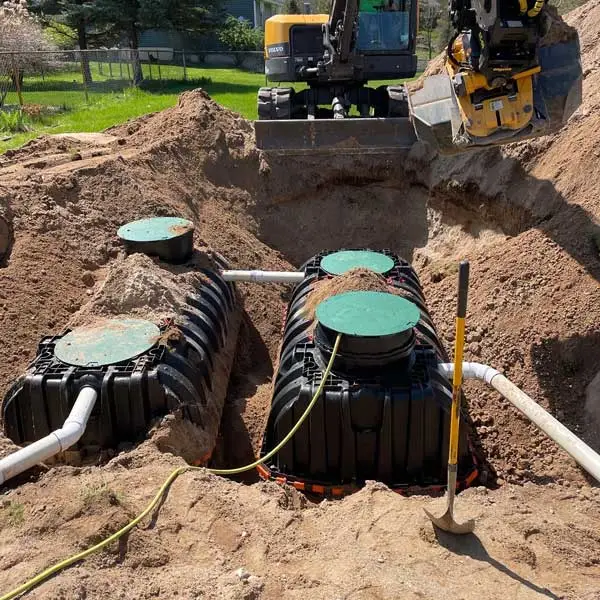
A cesspool is a single, deep perforated pit that collects waste and allows liquid to seep directly into the soil. In contrast, a septic system uses a watertight tank to separate solids from liquids before sending the treated effluent to a dedicated drain field for safe, natural filtration.
Which is better for the environment, a cesspool vs septic system?
A septic system is significantly better for the environment because it provides a necessary level of wastewater treatment that a cesspool lacks. By filtering out harmful pathogens and nitrogen before they reach the water table, septic systems play a vital role in groundwater protection across our vulnerable Long Island ecosystem.
How often does a residential septic system need maintenance?
We generally recommend professional septic maintenance or pumping every two to three years for most households. Regular servicing prevents heavy solids from building up and overflowing into your leaching area, which avoids costly system damage, messy backups, and helps extend the overall lifespan of your underground infrastructure.
Does Sewer Tech service both types of systems in Suffolk County?
Yes, Sewer Tech specializes in both residential and commercial services for all types of waste systems throughout Suffolk County. Whether you have an older legacy cesspool or a modern nitrogen-reducing septic system, our experienced team provides the honest, reliable pumping, inspections, and repairs needed to keep things flowing.
Ready to Secure Your Home’s Infrastructure?
Deciding between a cesspool vs septic system is a major step in maintaining your property’s value and protecting our Long Island environment. Because your waste system is a significant long-term investment, we encourage you to choose the setup that offers the most reliability and peace of mind for your family. If you have questions about which system is right for your land or are ready for a professional consultation, we are here to help. Call us at (631) 569-2057 or visit: https://sewertechli.com.