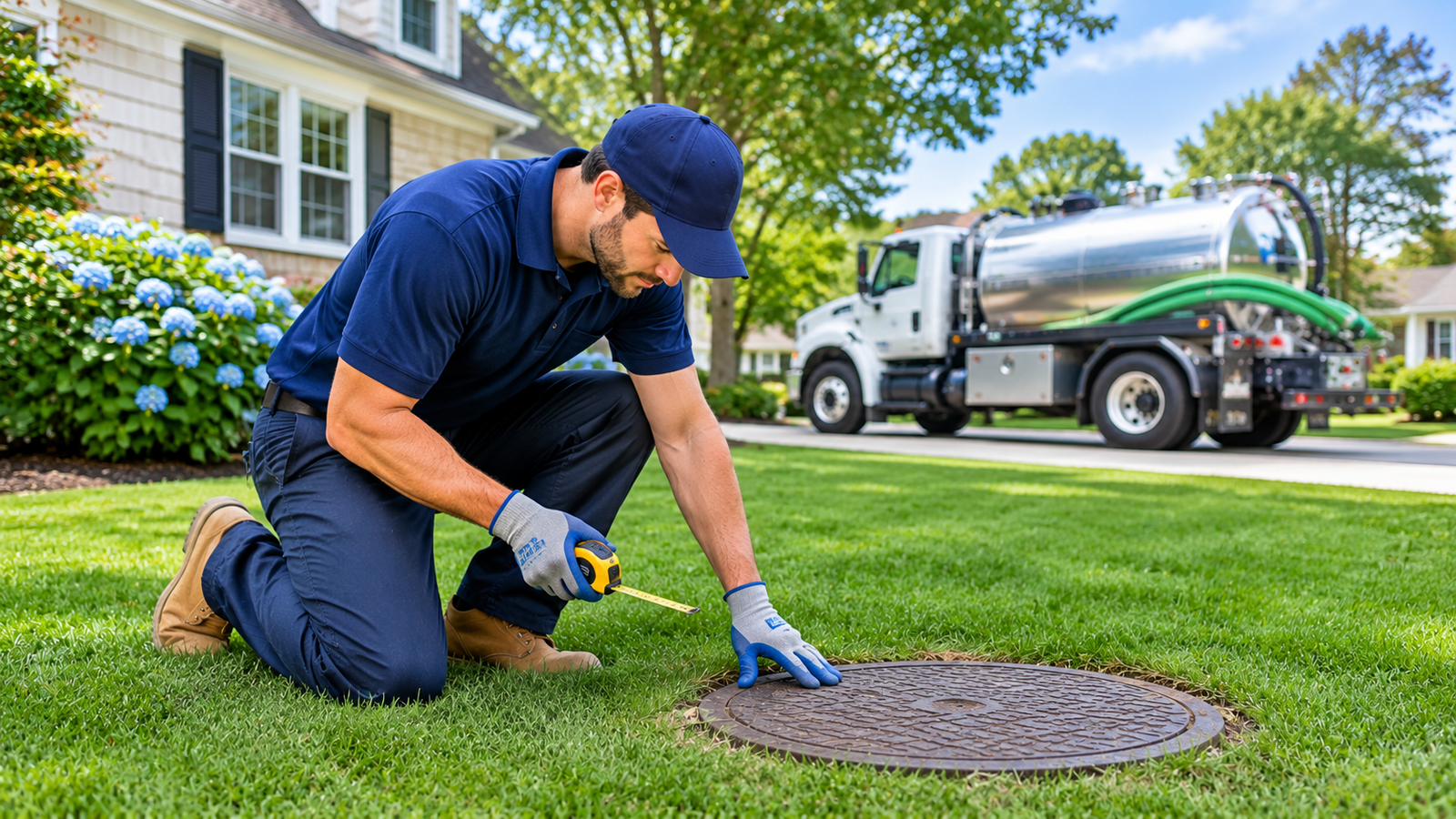
Imagine you need to schedule cesspool pumping, but when the technician arrives, you cannot find the cesspool cover anywhere in your yard. The grass looks normal, there are no visible access points, and you are not sure where the system is buried.
This is a common challenge for homeowners with older cesspool and septic systems. Over the years, landscaping, soil buildup, renovations, and property changes can make underground access covers difficult to locate.
If you live in Suffolk County, NY, knowing where your cesspool is located can make routine maintenance, pumping, and repairs much easier.
In this guide, we explain why cesspool covers become buried, where you can start looking, and when professional cesspool locating is the safer choice.
Why Is Your Cesspool Cover Difficult to Find?
A cesspool cover may have been visible when the system was first installed. However, after years of landscaping and property maintenance, it can become hidden beneath the ground.
Here are some common reasons:
1. Soil and Grass Have Covered the Access Lid
Over time, soil can gradually build up around an underground access point. Grass, mulch, and landscaping materials may eventually cover the lid completely.
This is especially common when homeowners change the appearance of their yard without knowing exactly where the cesspool is located.
2. Previous Homeowners Did Not Mark the Location
If you recently purchased an older home, the previous owner may not have provided information about the cesspool location.
Without a property diagram, installation records, or visible access cover, finding the system can become difficult.
3. Landscaping Has Changed Over the Years
New flower beds, patios, walkways, fences, and other outdoor improvements can make an existing cesspool access point harder to identify.
Sometimes the original location is no longer obvious because the yard looks completely different from when the system was installed.
4. The Access Cover Is Buried Deep Underground
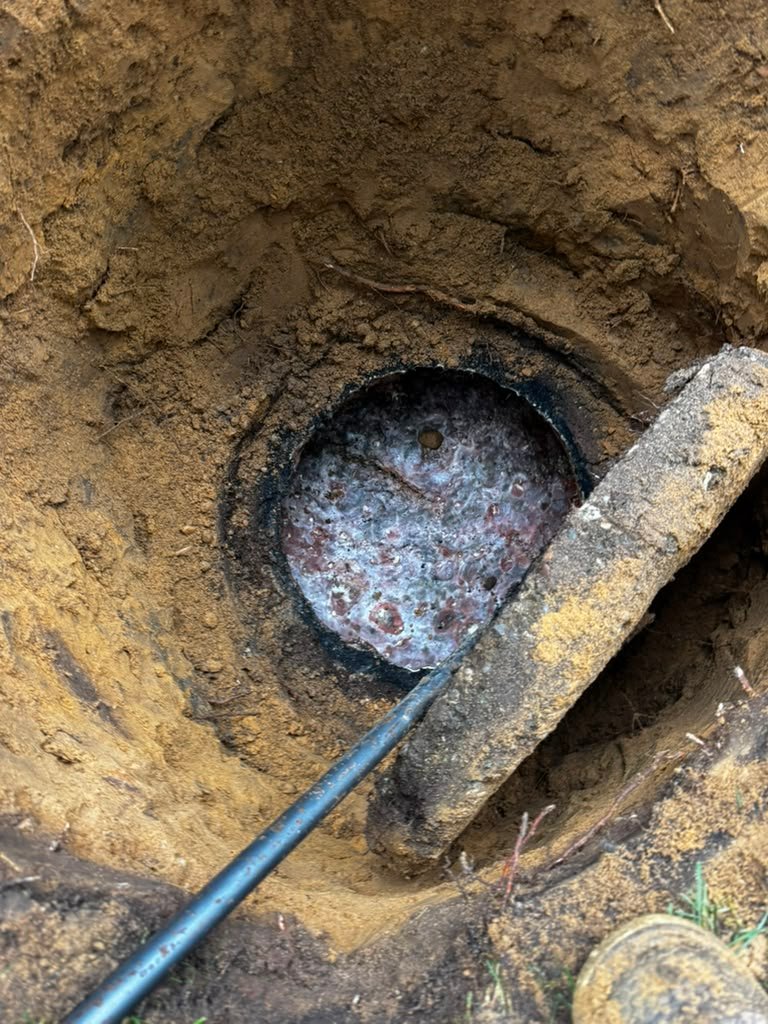
Some older systems have access covers located below the current ground level. In these situations, the lid may not be visible from the surface.
Searching randomly or digging in several places can damage underground pipes or other parts of the wastewater system.
Where Should You Start Looking for a Cesspool Cover?
If you do not know where your cesspool is located, start with available property information rather than digging.
Check Your Property Records
Look for old septic or cesspool installation documents, property plans, permits, or inspection records.
These documents may contain useful information about the original system location. Keep in mind that older records may not always show later changes to the property.
Ask the Previous Homeowner
If you recently purchased your home, contact the previous owner or property manager.
They may remember where the cesspool was located, where pumping was performed, or which area of the yard was previously accessed by service technicians.
Review Old Maintenance Records
Previous pumping invoices or service records may mention the location of the cesspool access point.
If a contractor has serviced the system before, their records may help narrow down the search area.
Avoid Guessing Based on Yard Features
Do not assume that the cesspool is directly behind the house, near a driveway, or in a particular corner of the property.
Underground wastewater systems can have different layouts depending on the property’s history and installation. Guessing can lead to unnecessary digging and possible damage.
Why You Should Not Dig Randomly to Find a Buried Cesspool
Trying to locate a buried cesspool by digging multiple holes may seem like an easy solution, but it can create additional problems.
You could accidentally damage underground pipes, electrical lines, irrigation systems, or other buried utilities. More importantly, opening or approaching an unknown wastewater access point can expose you to dangerous gases and unsanitary conditions.
Before any excavation, underground utilities should be properly identified. Never enter a cesspool or lean over an open access point.
Professional locating can help identify the system’s position while reducing unnecessary disturbance to your yard.
When Should You Hire a Professional Cesspool Locating Service?
Professional locating is especially helpful when:
- You recently purchased a home and do not know where the cesspool is located.
- The access cover is buried beneath soil or grass.
- You need to schedule cesspool pumping but cannot find the lid.
- You are planning landscaping, construction, or outdoor renovations.
- You need access for maintenance, inspection, or repairs.
- Previous contractors had difficulty finding the system.
A professional technician can use available system records, suitable locating equipment, and experience to help identify the tank and access points.
If you need help finding your underground system, explore SewerTech’s septic tank locating service in Suffolk County.
What Happens After Your Cesspool Is Located?
Finding the access cover is only the first step. Once the system has been located, you can plan the maintenance or service it needs.
Schedule Cesspool Pumping
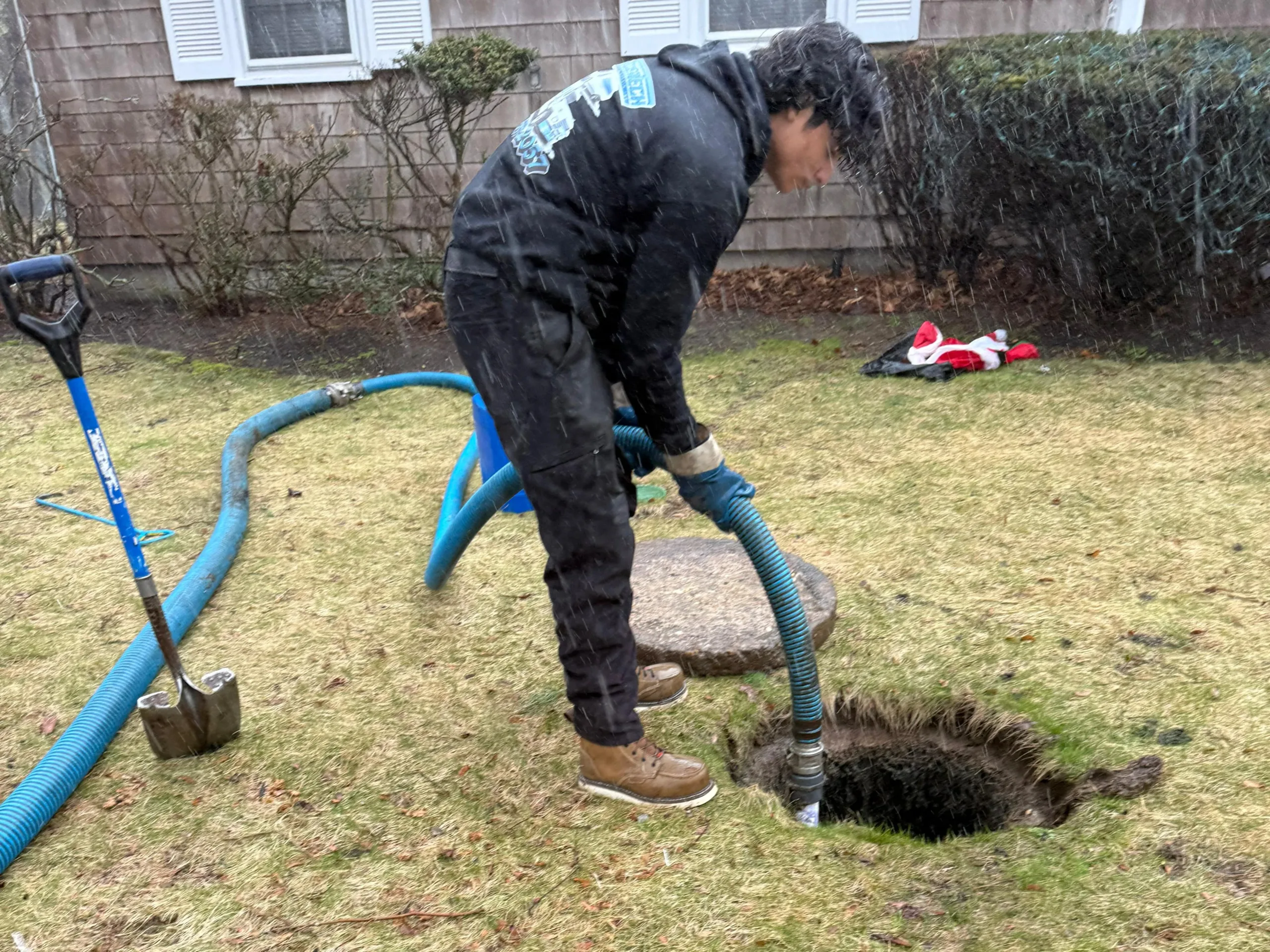
If the system needs routine maintenance or has accumulated waste, professional pumping may be appropriate.
Learn more about professional cesspool pumping in Suffolk County.
Consider Installing a Cesspool Riser
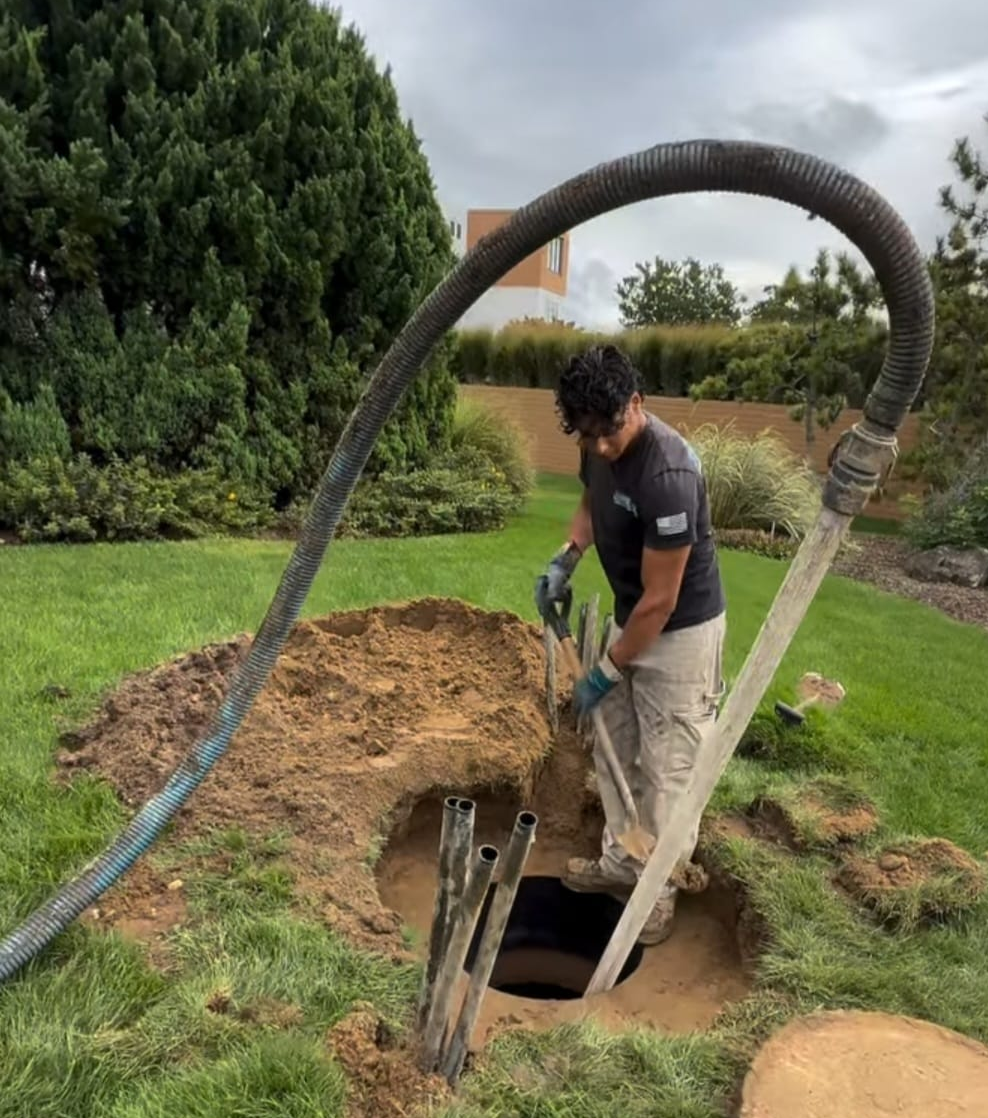
If your access cover is buried deep underground, a riser may make future maintenance easier.
A properly installed riser extends the access point closer to ground level, reducing the need to repeatedly dig up your lawn whenever the system needs service.
Explore cesspool and septic riser installation to learn more about improving access to your system.
Arrange an Inspection if You Notice a Problem
If you are experiencing recurring backups, unusual drainage problems, or other signs of a system issue, locating the access point can help prepare for further evaluation.
Depending on the problem, a technician may recommend an appropriate inspection or repair. Learn more about septic system repair services.
How a Buried Access Cover Can Affect Future Maintenance
When a cesspool cover is difficult to access, even routine service can become more complicated.
Technicians may need additional time to identify the access point before maintenance can begin. Repeatedly digging through grass, soil, or landscaping can also disturb your yard.
Making the access point easier to identify and reach can help simplify future maintenance visits.
For many homeowners, a properly installed riser is worth discussing after the system has been located and evaluated.
Cesspool Locating Services in Suffolk County, NY
Not knowing where your cesspool is buried can be frustrating, especially when you need pumping, maintenance, or repairs.
SewerTech Cesspool & Drain provides septic tank locating services for residential and commercial properties throughout Suffolk County, NY. Our team can help identify underground system locations and access points so you can plan the next step without unnecessary guesswork.
Whether you have recently purchased a property, cannot find a buried access cover, or need to prepare for maintenance, professional locating can make the process easier.
Call SewerTech Cesspool & Drain at (631) 569-2057 to discuss your cesspool or septic tank locating needs. Emergency service is available 24/7 throughout Suffolk County.
Frequently Asked Questions
How do I find my buried cesspool cover?
Start by reviewing property records, old installation documents, and previous maintenance invoices. If the access cover remains hidden, contact a professional locating service rather than digging randomly.
Can a cesspool cover be buried under grass?
Yes. Soil buildup, landscaping, and changes to the ground level can cover an existing access lid over time.
Can I use a metal detector to find my cesspool?
A metal detector may not reliably locate every access cover because covers and system components can be made from different materials. Professional locating equipment and system information may provide a more dependable approach.
Should I dig to find my septic tank or cesspool?
No. Random digging can damage underground utilities, pipes, and system components. Have the location identified safely before excavation.
What should I do after finding my cesspool cover?
Once the access point is identified, arrange the appropriate maintenance or inspection. If the lid is buried too deeply, ask a professional whether installing a riser would improve future access.
Does SewerTech provide septic tank locating in Suffolk County?
Yes. SewerTech Cesspool & Drain offers septic tank locating services for residential and commercial properties throughout Suffolk County, NY.
Can’t find your buried cesspool cover? Contact SewerTech Cesspool & Drain at (631) 569-2057 for professional locating assistance in Suffolk County, NY.