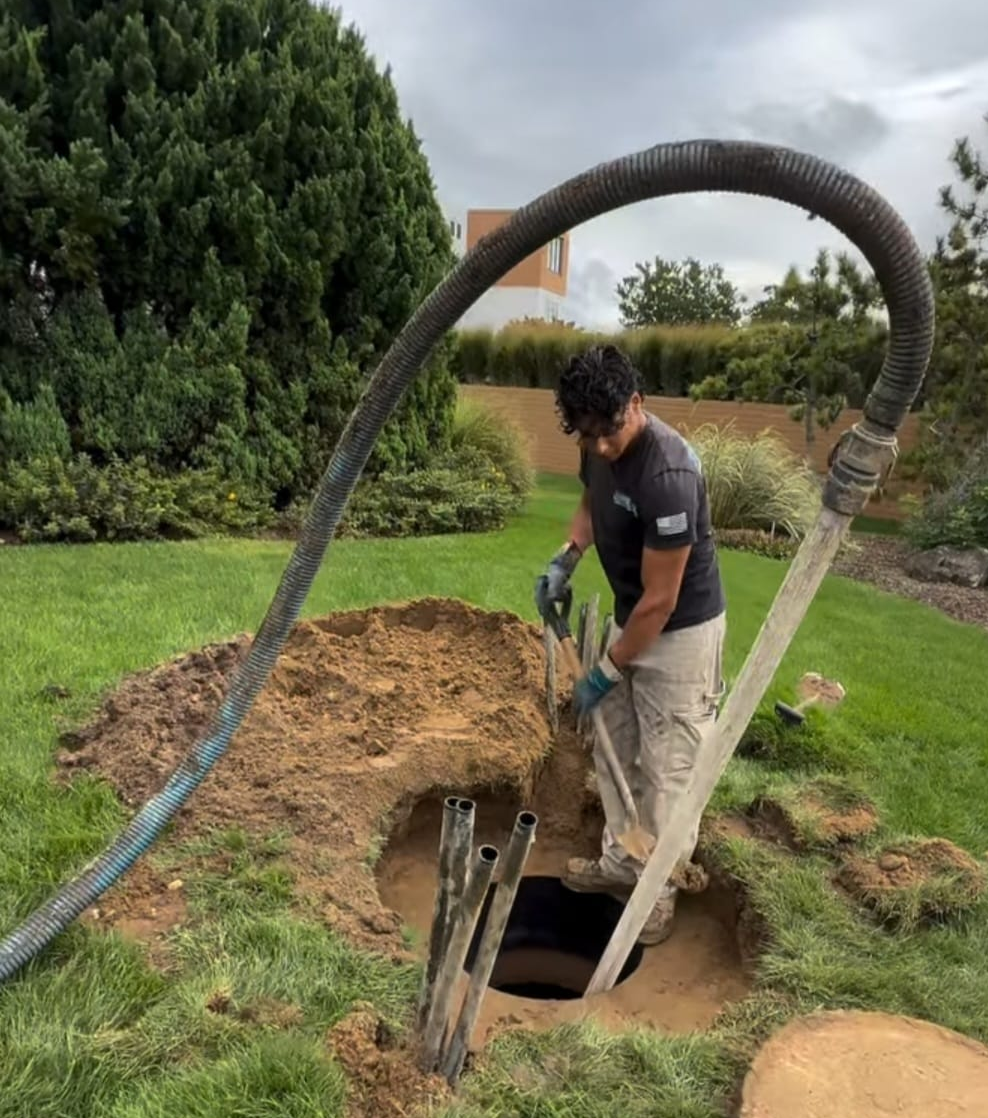
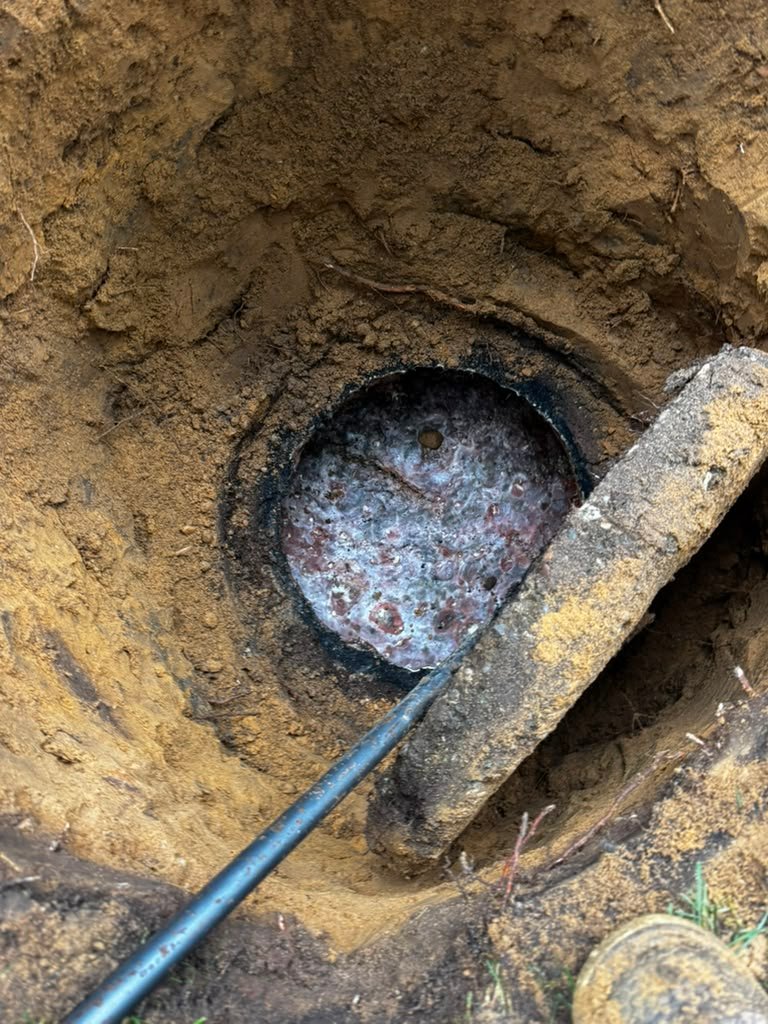
If your cesspool keeps filling up shortly after pumping, it may be a sign of an underlying problem. While regular cesspool pumping is necessary to remove accumulated waste, repeated filling can indicate excessive water usage, drainage issues, poor soil absorption, or damage to the cesspool system.
For homeowners in Suffolk County, NY, understanding why a cesspool fills up too quickly can help prevent unpleasant odors, slow drains, sewage backups, and costly repairs. Identifying the cause early can also help you determine whether your property needs routine cesspool pumping, a professional inspection, or repairs.
In this guide, we’ll explain the most common reasons a cesspool keeps filling up, the warning signs to watch for, and the steps you can take to protect your wastewater system.
How Does a Cesspool Work?
A cesspool is an underground wastewater system that receives wastewater from your home. Depending on its design and condition, liquid may gradually move into the surrounding soil while solid waste accumulates inside the structure.
Over time, solids build up and reduce the system’s available capacity. Regular pumping helps remove accumulated waste and maintain the system.
However, pumping does not correct every cesspool problem. If your cesspool continues filling up unusually quickly, the cause may involve more than normal waste accumulation.
Homeowners should distinguish between a cesspool that needs routine maintenance and one experiencing a drainage, structural, or groundwater problem.
7 Common Reasons Your Cesspool Keeps Filling Up
1. Your Cesspool Needs Pumping
One of the most common reasons a cesspool fills up is the accumulation of solid waste over time. As waste builds up, the system has less available capacity to receive wastewater from your home.
How quickly this happens depends on household size, water usage, the condition of the system, and how frequently it receives maintenance.
Warning signs may include:
- Slow-draining sinks, tubs, or showers
- Gurgling sounds from plumbing fixtures
- Unpleasant odors around the property
- Wastewater backing up into drains
- Sewage-related odors near the cesspool area
If you notice these symptoms, professional cesspool pumping in Suffolk County, NY may help remove accumulated waste. A professional assessment can also determine whether another problem is contributing to the repeated filling.
2. Excessive Water Usage in Your Home
Your cesspool receives wastewater from everyday activities, including showering, laundry, dishwashing, and flushing toilets. When too much water enters the system within a short period, it may struggle to handle the increased volume.
Common causes of excessive water usage include:
- Leaking toilets or faucets
- Running multiple loads of laundry in one day
- Long showers and frequent bathing
- Several water-intensive appliances operating simultaneously
- Undetected plumbing leaks
Reducing unnecessary water use can help limit the amount of wastewater entering the system.
Check your plumbing for leaks and consider spreading laundry and other water-intensive activities throughout the week. If your cesspool still fills up quickly despite reasonable water usage, the problem may require a professional inspection.
3. The Soil Around Your Cesspool Is Not Absorbing Water Properly
A cesspool may have difficulty managing wastewater when the surrounding soil cannot absorb liquid efficiently. Soil conditions, groundwater levels, and the system’s age can all affect how well wastewater disperses.
Over time, the surrounding area may become less effective at accepting wastewater. When this happens, liquid may remain in the system longer than expected, making the cesspool appear to fill up quickly.
Signs of a possible absorption problem include persistently wet ground near the cesspool, recurring drainage issues, and sewage odors outdoors.
Pumping alone may not resolve an absorption problem. A qualified professional should evaluate the system and determine the appropriate next step.
4. A Blocked or Damaged Wastewater Line
Your cesspool may not be the only source of the problem. A blocked, collapsed, or damaged wastewater line can interfere with the movement of wastewater from your home to the cesspool.
Grease, accumulated debris, foreign objects, root intrusion, and deteriorating pipes can contribute to blockages.
Possible warning signs include:
- Multiple drains slowing down at the same time
- Gurgling sounds in toilets or drains
- Wastewater backing up into plumbing fixtures
- Persistent drainage problems even after pumping
In these situations, it is important to identify where the blockage or damage is located rather than assuming the cesspool itself is full.
SewerTech offers drain cleaning services in Suffolk County, NY to help address certain drainage problems. Depending on the symptoms, a professional may recommend further inspection before determining the necessary service.
5. Your Cesspool Is Old or Structurally Damaged
Older cesspools can develop structural problems that affect their performance. Deteriorating materials, damaged components, or a system that no longer functions properly may contribute to recurring wastewater issues.
If the cesspool repeatedly fills up soon after pumping, it is worth investigating whether the system has reached the point where maintenance alone is no longer sufficient.
A professional inspection can help determine whether the problem is related to accumulated waste, a damaged line, structural deterioration, or another condition.
Depending on the findings, repairs or replacement may be necessary. Learn more about septic system repair services in Suffolk County, NY if your property uses a septic system and is experiencing ongoing problems. The appropriate solution will depend on the type and condition of your wastewater system.
6. Heavy Rain or High Groundwater Levels
Heavy rainfall and elevated groundwater can affect underground wastewater systems. When the surrounding ground becomes saturated, wastewater may not disperse as effectively as it normally would.
Homeowners may notice problems after periods of substantial rainfall, including slow drains, wet areas around the system, or wastewater backups.
If your cesspool begins acting differently after heavy rain, avoid assuming that routine pumping will solve the issue. Groundwater conditions, system design, and possible damage all need to be considered.
Persistent problems should be assessed by a qualified professional, especially if sewage is surfacing in the yard or entering the home.
7. Your Property Has a Septic System Instead of a Cesspool
Cesspools and septic systems are not the same. A septic system generally uses a septic tank to separate solids from liquids and works with a drainfield to manage wastewater. A cesspool operates differently, so maintenance and repair recommendations may vary.
If your property has a septic tank, recurring filling or drainage problems may be associated with accumulated solids, excessive water use, blocked pipes, or issues with the drainfield.
Make sure you know which wastewater system your property uses before arranging service. SewerTech also provides septic pumping services in Suffolk County, NY for homeowners who need septic tank maintenance.
Signs Your Cesspool May Have a More Serious Problem
A cesspool that repeatedly fills up deserves attention, particularly when the problem returns soon after pumping.
Watch for these warning signs:
- Frequent backups: Toilets, sinks, or tubs repeatedly drain slowly or back up.
- Persistent sewage odors: Strong wastewater smells appear indoors or around the yard.
- Wet or soggy ground: An area near the cesspool remains unusually wet or has standing wastewater.
- Recurring problems after pumping: The same symptoms return within a short period.
- Multiple affected fixtures: Several drains experience problems at the same time.
- Visible sewage: Wastewater appears on the ground or backs up into the home.
These symptoms do not all indicate the same problem. A professional evaluation can help identify the cause and prevent unnecessary service.
If sewage is backing up into your home or surfacing in your yard, limit water use and arrange prompt professional assistance. Keep children and pets away from affected areas, and avoid contact with sewage.
What Should You Do If Your Cesspool Keeps Filling Up?
The best next step depends on the cause of the problem. Start by paying attention to when the symptoms occur, how often they return, and whether several plumbing fixtures are affected.
Check for Excessive Water Usage
Inspect toilets, faucets, and other plumbing fixtures for leaks. Reducing unnecessary water use may help prevent an avoidable increase in wastewater entering the system.
Avoid Ignoring Repeated Drainage Problems
Slow drains and recurring backups should not be treated as normal. If several fixtures are affected, the issue may involve a shared wastewater line or the cesspool itself.
Arrange Professional Cesspool Pumping When Needed
If accumulated waste is reducing the system’s capacity, pumping may be necessary. However, repeated pumping without identifying the underlying cause may not provide a lasting solution.
SewerTech’s cesspool pumping service can help homeowners address accumulated waste and determine whether further evaluation is needed.
Consider a Camera Inspection for Drainage Issues
When a blocked or damaged pipe is suspected, a camera inspection may help locate the problem without relying only on guesswork.
SewerTech provides camera inspection services to help investigate certain pipe and drainage concerns. The appropriate inspection method depends on the system and the symptoms.
Get Help for Urgent Wastewater Problems
If wastewater is backing up into the home, sewage is surfacing outdoors, or the system is causing an urgent sanitation concern, do not delay seeking professional assistance.
Visit SewerTech’s emergency service page for information about emergency wastewater services in Suffolk County.
Cesspool Pumping vs. Cesspool Repair: Which Do You Need?
Pumping and repair address different problems. Understanding the difference can help you avoid paying for a service that does not resolve the underlying issue.
Cesspool pumping removes accumulated waste from the system. It may be appropriate when the cesspool needs routine maintenance or accumulated solids are reducing its capacity.
Cesspool or wastewater system repair addresses a specific defect or malfunction. Depending on the system, this may involve a damaged pipe, a structural issue, or another problem that pumping alone cannot correct.
If your cesspool keeps filling up soon after service, ask the provider to evaluate why the problem is recurring. The right solution should be based on the condition of the system, not simply on how full it appears.
How to Help Prevent Recurring Cesspool Problems
Although not every cesspool issue can be prevented, good maintenance habits can help reduce unnecessary strain on your wastewater system.
Schedule Maintenance Based on Your System’s Needs
There is no single pumping schedule that suits every property. Household size, water usage, system condition, and past performance all influence maintenance needs. Ask a qualified professional what schedule is appropriate for your property.
Avoid Flushing Unnecessary Materials
Do not flush items such as wipes, paper towels, hygiene products, or other materials that can contribute to plumbing blockages. Even products marketed as flushable can cause problems in wastewater plumbing.
Use Water Efficiently
Repair leaks promptly and avoid sending large volumes of water into the system in a short period. Efficient water use can help reduce unnecessary loading.
Pay Attention to Early Warning Signs
Slow drains, gurgling sounds, and persistent odors may indicate a developing issue. Addressing these symptoms early can help prevent more disruptive problems.
Keep Records of Pumping and Repairs
Record the dates of pumping, inspections, and repairs, along with any recurring symptoms. This information can help a service professional identify patterns and recommend appropriate maintenance.
Cesspool Services for Homeowners in Suffolk County, NY
Cesspool problems can disrupt daily life, create unpleasant odors, and lead to unsanitary conditions when left unresolved. If your cesspool keeps filling up, identifying the cause is the first step toward finding a suitable solution.
SewerTech Cesspool & Drain serves homeowners throughout Suffolk County, NY, with wastewater and drainage services, including cesspool pumping, septic pumping, drain cleaning, sewer jetting, and camera inspections.
Whether your system needs routine pumping or a closer look at recurring drainage problems, the right service depends on your property’s wastewater system and its condition.
Explore SewerTech’s cesspool pumping services or visit the SewerTech website to learn more about available services in Suffolk County, NY.